Thailand Nature Trip Calendar: National Parks and Wildlife Timing by Month
Thailand's national parks shift dramatically by season, so your timing determines what you'll actually experience. The cool, dry season from November to February offers the clearest trails, best wildlife visibility, and most accessible trekking conditions across northern parks. Southern marine parks shine during this window too, while closing mid-May through mid-October. Monsoon months transform landscapes but flood trails and limit access. Stick around — there's plenty more to unpack about planning your perfect park visit.
When Is the Best Time to Visit Thailand's National Parks?
Thailand's national parks shine brightest from November to February, when mild temperatures averaging 77°F–86°F (25°C–30°C), low humidity, and dry skies create ideal conditions for trekking, wildlife spotting, and sightseeing. December through February delivers the clearest weather, giving you perfect visibility across northern parks like Khao Yai and Erawan, where waterfalls and exotic wildlife are most accessible.
However, holiday seasonality considerations matter—peak crowds during this window mean higher competition for accommodation and trail space. If you'd prefer quieter experiences, shoulder season perks kick in during April–June and September–October, offering fewer visitors and manageable conditions.
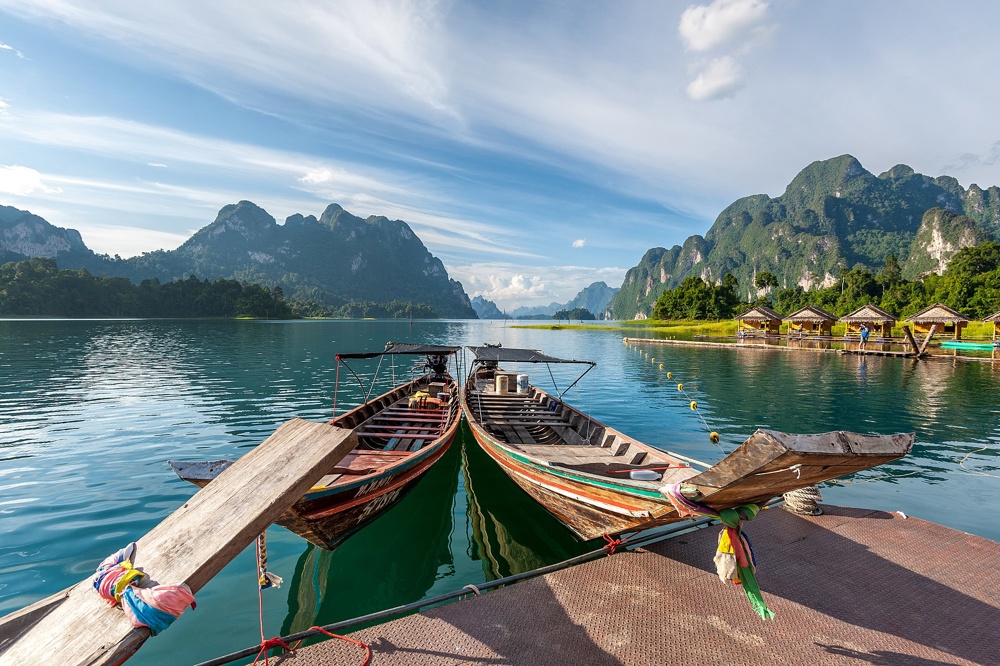
The wet season from May to October transforms parks into lush, biodiverse landscapes, though frequent downpours and muddy trails require extra preparation. Khao Sok National Park, for instance, receives rainfall from both monsoons, making it one of the wettest yet most rewarding destinations to visit year-round.
Be sure to check out tools to build your own custom travel calendars today!
Northern Parks vs. Southern Parks: How Seasonal Timing Differs
Whether you're heading north or south, Thailand's parks operate on completely different seasonal rhythms that should shape your itinerary from the start. Rainfall patterns and forest composition drive these differences substantially.
| Factor | Northern Parks | Southern Parks |
| Best Season | November–February | January–September |
| Rainfall Peak | May–October | October–December |
| Forest Type | Highland montane forests | Ancient tropical rainforests |
| Key Feature | Fog seas, high peaks | Marine ecosystems, beaches |
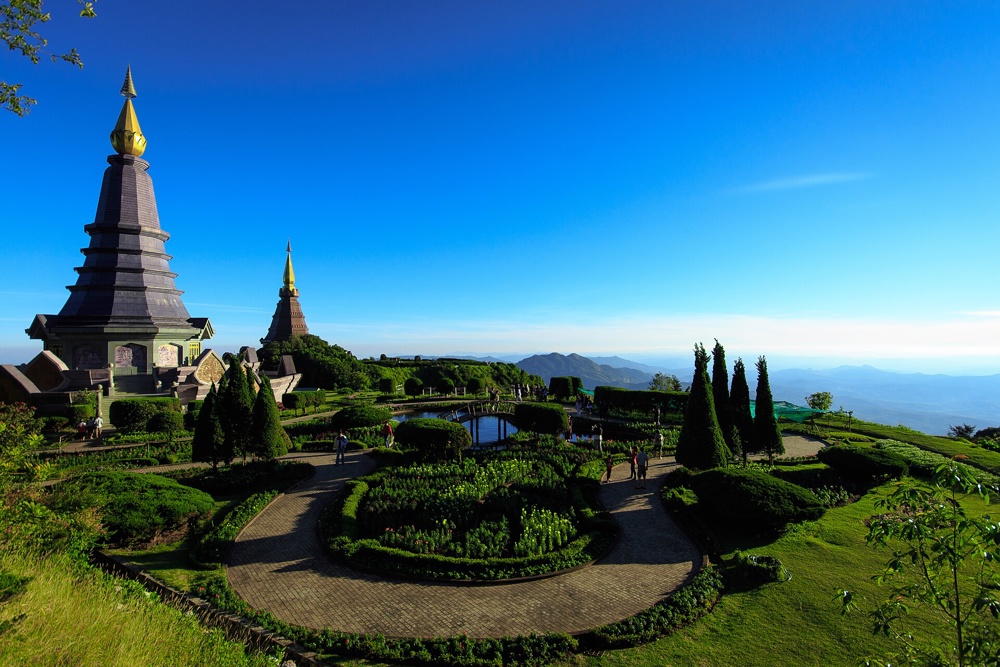
Northern parks like Doi Inthanon reward dry-season visitors with cool temperatures, clear viewpoints, and accessible trails. Southern parks like Khao Sok maintain year-round entry, though Andaman Sea parks close mid-May through mid-October. Knowing which region you're targeting lets you avoid closures and experience each park at its most rewarding. In the north, parks such as Pha Daeng offer remarkable birdwatching and trekking opportunities that are best enjoyed during the cooler and drier months of the season.
Cool Season Parks Worth Visiting From November Through February
Once you know which region suits your schedule, the cool season running November through February opens up some of Thailand's most rewarding park experiences. In the north, Doi Inthanon and Phu Ruea deliver crisp nights perfect for stargazing opportunities, with temperatures dropping below 10°C in highland campgrounds.
Huai Nam Dang and Doi Pha Hom Pok add hot spring access alongside highland treks and hikes through misty terrain. Chae Son and Chae Son-adjacent parks in Lampang suit cooler trekking conditions well. Down south, Khao Sok stays mild at 22–31°C through February, while Koh Lanta and Koh Phi Phi offer dry, sunny beach days.
December peaks across nearly every region, making it your strongest single month for combining northern highlands with southern islands. This period also aligns with major cultural events, as Loy Krathong and Yi Peng take place in November across northern Thailand.
What March Through May Conditions Mean for Park Access
As cool-season crowds thin out, March through May shifts Thailand's parks into a hotter, drier rhythm that rewards early risers and water-based adventurers. You'll find ideal trail conditions through March, with off-peak visitor numbers making wildlife spotting easier. By April, northern haze from the burning season cuts visibility, so southern marine parks like Tarutao become your better bet.
| Month | Best Activity |
| March | Morning hiking, wildlife walks |
| April | Snorkeling, island hopping |
| May | Coastal trails, pre-monsoon access |
| All Three | Early departures before midday heat |
May's monsoon onset brings humidity and afternoon showers, but trails stay accessible before rains fully arrive. Skip midday entirely — heat peaks fast, and your energy disappears faster. With an average high of 92°F, lightweight and breathable clothing is essential for any park activity during this stretch.
What Monsoon Season Actually Does to Trails, Wildlife, and Entry
Monsoon season doesn't shut Thailand's parks down — it reshapes them entirely. From July through October, humidity hovers near 90% and heavy rainfall transforms trail surface conditions into muddy, flood-prone stretches that demand serious preparation. Western coastal parks take the hardest hit, while interior regions stay comparatively accessible.
Wildlife movement patterns shift too. Dense vegetation and saturated ground push some species toward open areas, while others retreat deeper into forest. Afternoon storms often concentrate animal activity into morning windows, which is when you'll want to be on the trail anyway.
Fewer tourists during peak monsoon months means less human disturbance overall. You're trading comfort for solitude and raw, lush scenery. If you go, move early, watch water levels, and stay flexible with your itinerary. The north, north-east, and central regions are particularly prone to routine flooding during this period, so factor regional geography into your park selection before you commit to a destination.
Which Wildlife Can You Spot in Thailand's Parks and When?
Thailand is one of the most biodiverse countries in Southeast Asia, and its national parks protect a wide variety of animal species across forests, wetlands, and coastal ecosystems. Timing your visit carefully increases the chances of seeing wildlife in their natural habitats.
Large mammals such as Asian elephants, gaur, and sun bears can be found in parks like Khao Yai, Kaeng Krachan, and Khao Sok. These animals are most often spotted during the dry season when they gather near rivers and salt licks. Primates including white-handed gibbons and long-tailed macaques are active year-round and are often heard before they are seen.
Birdlife is particularly impressive in Thailand’s parks. Kaeng Krachan alone hosts hundreds of species, including hornbills and the striking Siamese fireback pheasant. Coastal parks also support marine wildlife such as sea turtles, dolphins, and whale sharks, especially during calm-water seasons in the Andaman Sea.
How Thai Festival Seasons Shape National Park Timing and Crowds
Festival timing in Thailand shapes your national park experience just as much as the weather does. During Songkran in April, over 1.1 million visitors flood Bangkok, pulling crowds away from parks. Yi Peng in November draws visitors toward Chiang Mai's lantern spectacle, easing northern park pressure. Festival season crowd balancing works in your favor if you plan around these cultural peaks.
| Festival | Park Impact |
| Songkran (April) | Urban crowds reduce park traffic |
| Yi Peng (November) | Northern parks see temporary relief |
| Candle Festival (July) | Rainy closures align with temple visits |
| Loy Krathong (October) | Riverside crowds ease trail pressure |
Managing seasonal trail closures means checking park schedules alongside festival calendars, since rainy-season events often coincide with flash flood closures. The Vijit Chao Phraya festival attracted over 1.7 million visits to Bangkok's riverbank, concentrating urban tourism and naturally drawing foot traffic away from national parks during the year-end high season.
Birdwatching Seasons Across Thailand’s Parks
Thailand is one of Southeast Asia’s premier birdwatching destinations, and many travelers plan their park visits around seasonal bird migration patterns. More than 1,000 bird species have been recorded in the country, making its forests and wetlands rich habitats for both resident and migratory birds.
The cool season is especially productive for birdwatching. Migratory species from northern Asia arrive between November and February, increasing the diversity of birds visible in many parks. Locations such as Kaeng Krachan, Doi Inthanon, and Khao Yai become hotspots for bird enthusiasts hoping to see hornbills, kingfishers, and colorful pheasants.
Wetlands and coastal ecosystems also attract seasonal birdlife. Parks such as Khao Sam Roi Yot provide important resting areas for migratory shorebirds traveling along Asian flyways. For nature travelers interested in photography or wildlife observation, planning a visit during migration periods can significantly increase the variety of species encountered.
Marine Parks and the Best Months for Ocean Wildlife
Thailand’s marine national parks offer a completely different nature experience compared to the country’s inland forests. Coral reefs, limestone islands, and clear tropical waters create habitats for marine wildlife including sea turtles, reef sharks, and vibrant schools of fish.
The best months for visiting marine parks typically fall between November and April, when calm seas and clear water provide ideal conditions for snorkeling and scuba diving. During this period, destinations such as the Similan Islands and Mu Ko Surin National Park became famous for their underwater biodiversity and exceptional visibility.
How to Beat the Crowds at Thailand's Most Popular Parks
Beating the crowds at Thailand's most popular parks comes down to timing — and the data points clearly to August and September as the sweet spot. These months record the fewest tourists nationwide, meaning no queues, authentic experiences, and accommodations up to 50% cheaper than peak season versus low season deals you'd find during November–February.
Regional climate impact on experiences varies, so plan accordingly. Northern Thailand's rainy season delivers lush landscapes and peak waterfall flows with minimal visitors. Khao Sok stays accessible year-round, while Similan Islands and Maya Bay close during low season, naturally thinning crowds elsewhere.
You'll trade rough seas for resort discounts and short downpours for uncrowded trails. For budget-conscious nature lovers, the math is simple — go when others don't. A hotel room that costs 500 THB in low season can skyrocket to 2,500 THB or more during peak months, making off-season visits the obvious financial choice for park explorers.
What to Pack, Book, and Know Before Entering Thailand's Parks
Whether you're trekking misty northern highlands or snorkeling southern reefs, your pack list shifts with the region — but the essentials stay consistent. Entry requirements vary by park, so confirm fees, permits, and permitted gear before arriving. Book restricted park permits early during peak seasons and carry travel insurance covering adventure activities.
Pack these non-negotiables:
- Reef-safe sunscreen, insect repellent, and a reusable water bottle
- Lightweight rain jacket, breathable clothing, and a sarong for temples
- Waterproof dry sacks and a backpack cover for wet conditions
- Headlamp, water filter, and snacks for remote trails
- Passport, cash, and travel insurance documents
Check park hours, dress codes, and closures before departure — surprises cost you time. Pack stomach aids like Pepto Bismol, Tums, and electrolyte drinks to stay prepared for digestive issues on remote trails far from pharmacies
Conclusion
Thailand’s national parks offer an extraordinary range of ecosystems, from cloud-covered mountain forests to coral reefs teeming with marine life. Yet the experiences available within these landscapes change dramatically throughout the year as weather patterns and wildlife behavior shift.
Understanding the country’s seasonal cycles allows travelers to choose the right destination at the right moment. By aligning your travel plans with these seasonal rhythms, a visit to Thailand’s national parks becomes more than a sightseeing trip. It becomes an opportunity to experience the country’s biodiversity at its most vibrant, guided by the natural calendar that shapes every forest, river, and coastline.