Essential Facts About Thailand Travel: Weather, Costs, Cultural Etiquette, Safety, and Getting Around
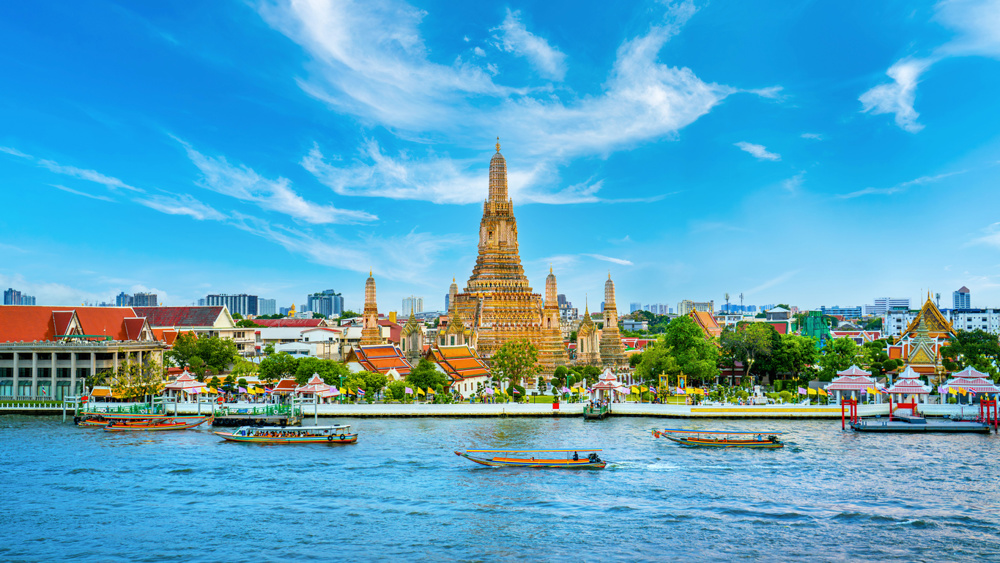
Thailand draws millions of travelers each year with its tropical beaches, vibrant cities, and rich cultural traditions. From bustling Bangkok markets to peaceful island sunsets and misty northern mountains, the country offers an incredible range of experiences within a single destination.
But first-time visitors often discover that traveling in Thailand works a little differently than expected. Understanding the basics—weather patterns, travel costs, cultural etiquette, safety tips, and transportation options—can make the difference between a stressful trip and a smooth adventure. With the right preparation, exploring Thailand becomes easy, affordable, and unforgettable.
Thailand's Three Seasons and What Changes Between Them
Thailand runs on three distinct seasons, each shaped by shifting monsoon patterns that transform the country's weather from one extreme to the next. The hot season runs mid-February to mid-April, pushing temperatures between 29–38°C with brutal humidity.
Seasonal alteration timings matter here—the southwest monsoon arrives mid-May, launching the rainy season through mid-October with daily downpours and cooler 26–32°C averages. The cool season follows mid-October to mid-February, bringing dry skies and comfortable 19–30°C temperatures.
Variations within regions considerably affect your experience. Bangkok stays hot year-round at 24–33°C, while northern areas swing between hotter summers and cooler winters. Gulf islands stay dry January through August, and the northeast receives less rainfall overall. Plan your destination alongside the season, not just the calendar date. Thailand's humid tropical climate keeps average temperatures ranging between 18–38°C throughout the year, meaning even the coolest months rarely feel cold by most standards.
The Best Time to Visit Thailand Based on Your Priorities
Knowing Thailand's seasons is only half the equation—what you want out of your trip determines when you should actually go. Seasonal tourism patterns shift dramatically depending on your priorities and regional weather differences shape each experience.
| Priority | Best Time |
| Beach holidays (Andaman) | November–April |
| Beach holidays (East Coast) | May–September |
| Trekking & northern Thailand | November–February |
| Fewer crowds & lower costs | May–October |
If you're chasing festivals like Loi Krathong or Songkran, November and April deliver unforgettable cultural moments. Prefer empty beaches? April through June keeps crowds thin despite the heat. Want lush national parks? June through August transforms them beautifully.
Match your goals to the region, and Thailand rewards you regardless of when you arrive. Thailand actually experiences three distinct seasons—cool, hot, and rainy—each offering a completely different backdrop for your travels.
What It Actually Costs to Travel in Thailand
Seasonal timing doesn't just shape your experience in Thailand—it directly controls what you'll pay. The impact of tourism on accommodation costs becomes obvious when budget constraints during peak season push mid-range hotel rates from $35 to $75 nightly.
Key pricing realities by season:
- Peak season (November–April): Mid-range hotels hit $55–75/night; holiday weeks surge 100–200% above baseline
- February: Prices drop 25–35% below peak while weather stays favorable
- Low season (June–August): Expect 40–50% savings; budget rooms fall to $6–11/night
- October: Late-month offers the year's best value with minimal crowds
- December holidays: Christmas week pushes mid-range rooms to $100–140/night
Transportation and activities are also relatively affordable. Domestic flights are inexpensive when booked early, and entry fees for temples, parks, and museums are typically modest. Overall, Thailand allows travelers to experience a rich culture and diverse landscapes without requiring a large budget.
Your travel dates are fundamentally your biggest budget lever. During peak season, tour prices increase by 10–20% on top of accommodation hikes, and popular tours can sell out entirely.
Cultural Etiquette Travelers Should Know
Thailand’s culture places a strong emphasis on respect, politeness, and social harmony. Visitors who understand basic etiquette often find that locals respond warmly and helpfully during their travels. One of the most important customs involves the Thai royal family, who are deeply respected throughout the country.
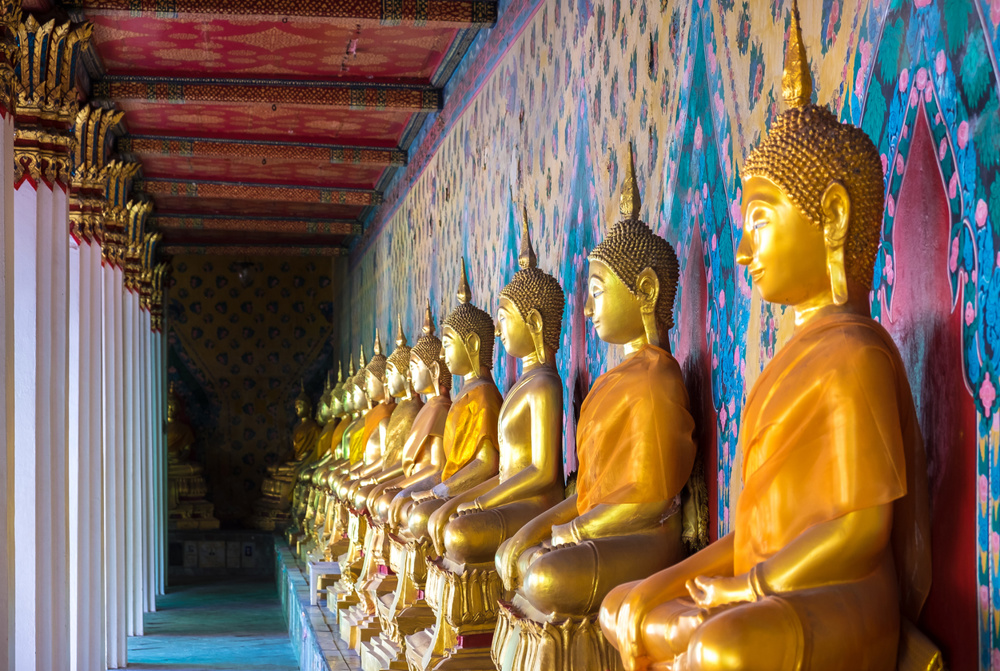
Criticizing or disrespecting the monarchy is considered extremely offensive and is also illegal under Thai law. Travelers should avoid making jokes or negative comments about the royal family. Temple etiquette is another important consideration. When visiting Buddhist temples, modest clothing is required. Shoulders and knees should be covered, and shoes must be removed before entering temple buildings.
Visitors should also avoid pointing their feet toward Buddha statues, as feet are considered the lowest part of the body in Thai culture. Greeting people respectfully also matters. The traditional Thai greeting, called the wai, involves placing your palms together and slightly bowing your head. While foreigners are not expected to master the gesture perfectly, showing politeness and friendliness is always appreciated.
What to Wear and Do at Thai Temples
Temples in Thailand follow a strict dress code, so you'll need to cover your shoulders and knees before entering. Cultural etiquette for temples also extends beyond clothing—your behavior inside matters just as much. Follow these temple dress code and conduct essentials:
- Wear long pants, sleeved shirts, or modest dresses covering knees and shoulders
- Avoid tank tops, shorts, crop tops, leggings, or see-through fabrics
- Note that the Grand Palace requires ankle-length pants; scarves won't substitute for sleeveless tops at strict sites
- Remove your shoes before stepping inside
- Wai monks with hands to your forehead, crouch when passing seated monks, and back away from Buddha statues rather than turning your back
When in doubt, err on the side of dressing more conservatively, as modest attire is a sign of genuine respect for Thailand's religious and cultural traditions.
Thai Food Culture and Dining Tips
Food is one of the highlights of traveling in Thailand, and exploring the local cuisine is an essential part of the experience. Thai food balances sweet, sour, salty, and spicy flavors, often combining fresh herbs, chilies, lime, fish sauce, and coconut milk to create complex dishes. Street food vendors, small family restaurants, and night markets serve some of the country’s most authentic meals.
Popular dishes include pad thai, green curry, tom yum soup, and som tam (papaya salad). Regional specialties also vary widely. Northern Thailand is known for dishes like khao soi, a rich coconut curry noodle soup, while southern Thai cuisine tends to be spicier and seafood-focused due to coastal influences.
Dining etiquette in Thailand is relaxed but still carries a few customs. Most meals are shared, with several dishes placed in the center of the table. Forks and spoons are commonly used, while chopsticks are typically reserved for noodle soups. Tipping is appreciated in restaurants but not mandatory, and leaving small change or rounding up the bill is usually sufficient.
Popular Destinations Every Traveler Should Know
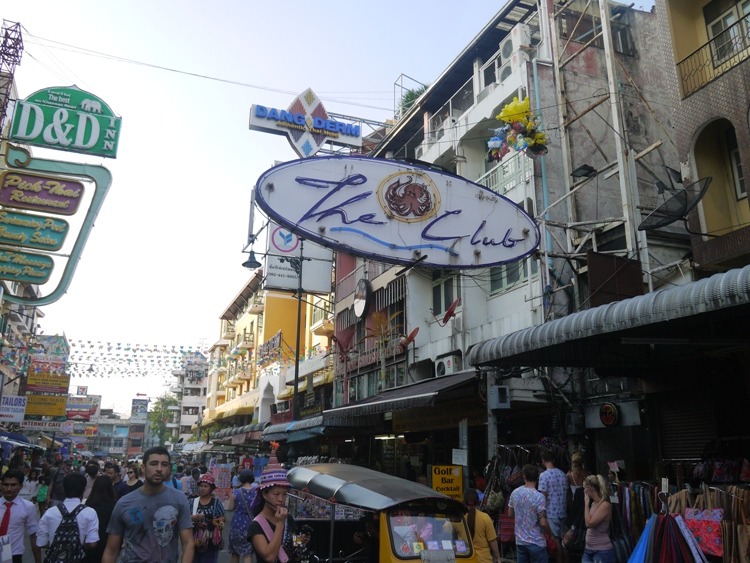
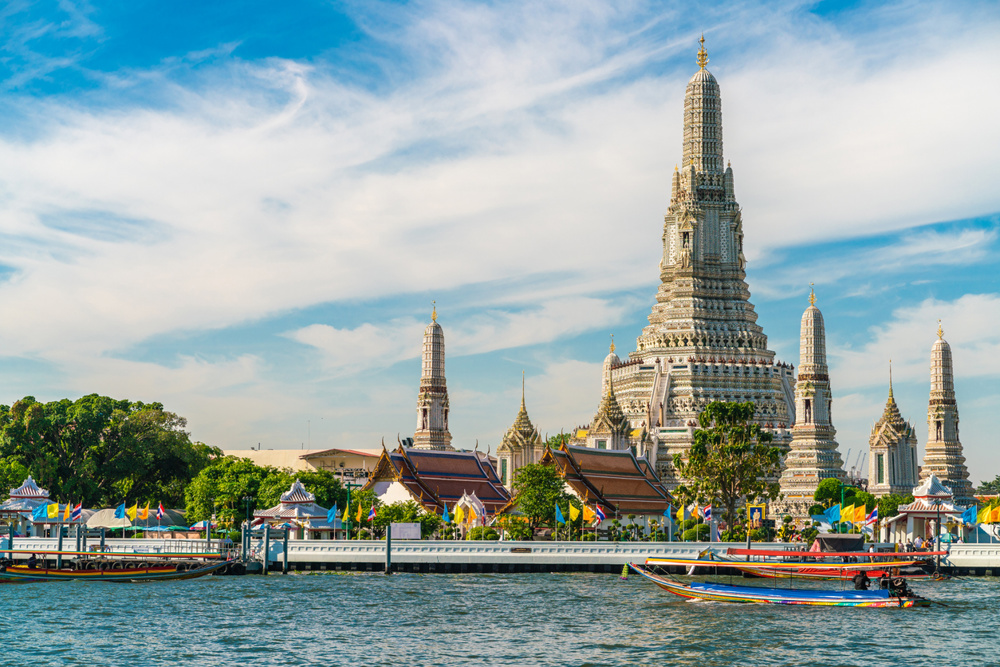
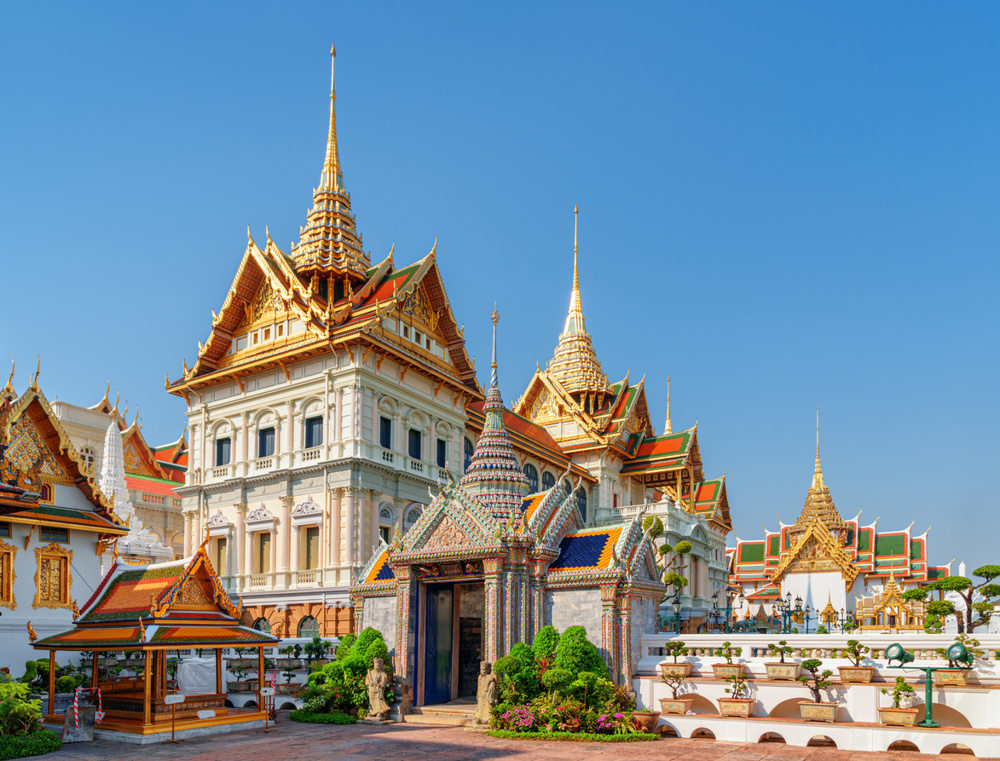
Thailand offers an incredible variety of destinations, each with its own atmosphere and attractions. Bangkok, the capital city, combines historic temples, bustling street markets, and modern skyscrapers. Visitors often explore landmarks such as the Grand Palace, Wat Pho, and Wat Arun while enjoying the city's famous street food and nightlife.
In northern Thailand, Chiang Mai is known for its historic temples, mountain landscapes, and relaxed pace. The city serves as a gateway to trekking adventures, hill tribe villages, and nearby national parks. Chiang Rai, further north, attracts visitors with unique temples such as the striking White Temple (Wat Rong Khun).
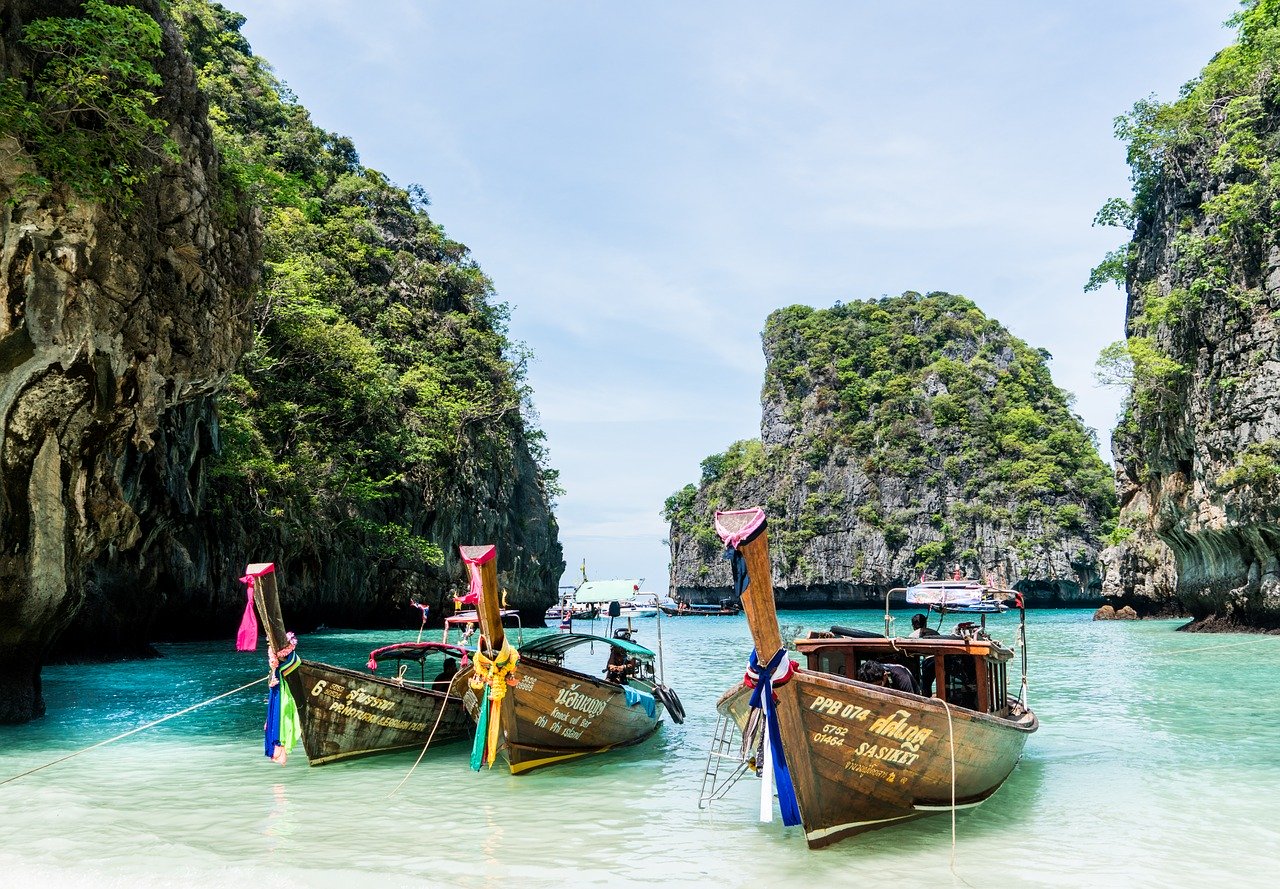
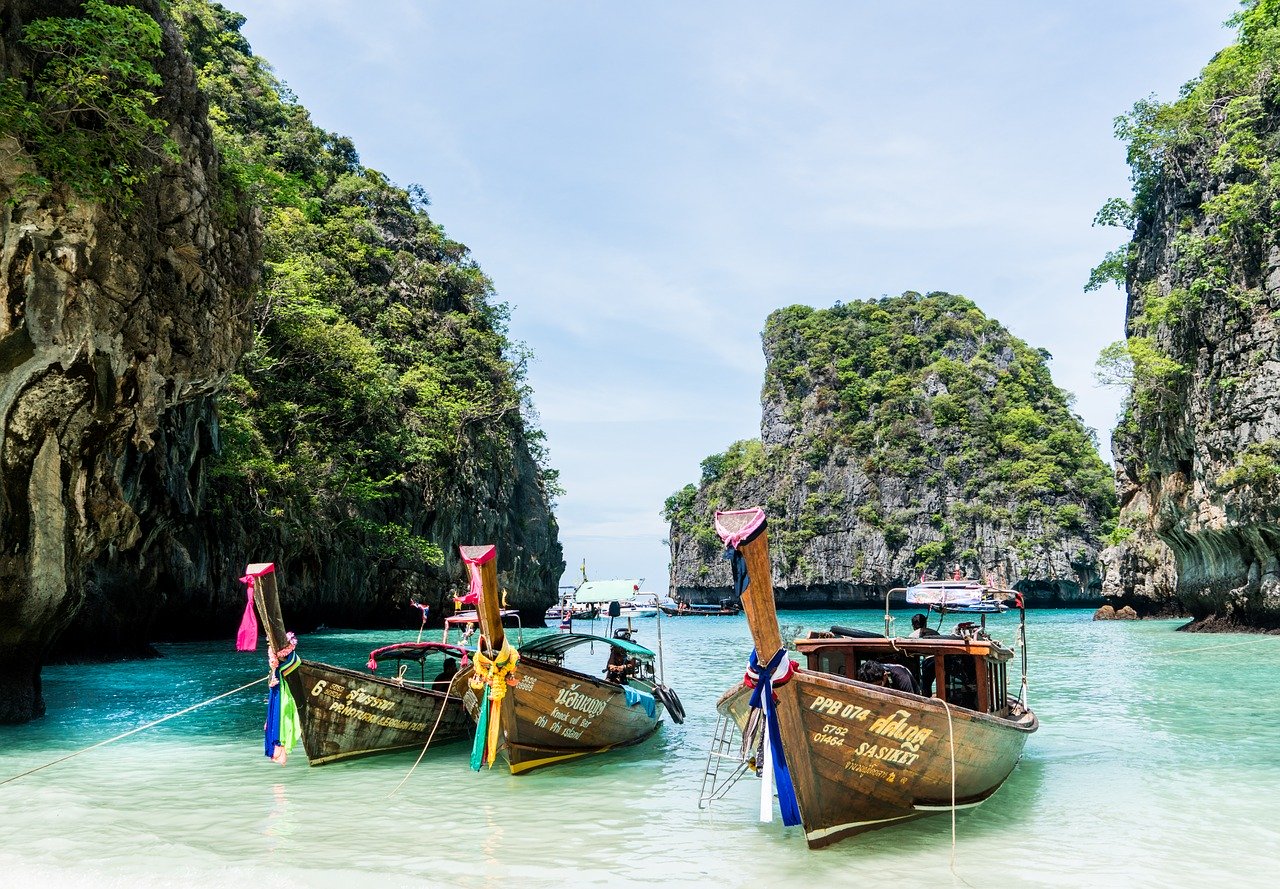
Southern Thailand is famous for its beaches and islands. Phuket, Krabi, Koh Samui, and Koh Phi Phi offer everything from lively resort towns to quiet tropical escapes. Crystal-clear waters, limestone cliffs, and coral reefs make these destinations especially popular for snorkeling, diving, and boat tours.
Visa Requirements and Entry Tips
Most travelers entering Thailand for tourism can do so relatively easily, but entry requirements vary depending on nationality and length of stay. Many countries receive visa exemptions, allowing travelers to stay in Thailand for 30 days without obtaining a visa in advance when arriving by air.
Travelers who plan to stay longer can apply for a tourist visa before arriving or extend their stay once inside the country at an immigration office. Passport validity is important as well—your passport must typically be valid for at least six months beyond your arrival date.
Upon arrival, travelers may be asked to show proof of onward travel and sufficient funds for their stay. While these checks are not always enforced strictly, it’s wise to carry documentation just in case. Having travel insurance and accommodation details ready can also make the entry process smoother.
Take a quick bite of knowledge with these fun general knowledge facts.
Safety Risks in Thailand and How to Avoid Them
Thailand is generally safe for tourists, but road accidents pose the most serious risk—over 1,300 injuries and 241 fatalities were recorded nationwide in just six days during New Year 2026 alone. Speeding motorcycles cause most crashes.
While robbery and assault risks stay low, scams and pickpocketing precautions matter in crowded tourist areas.
Stay safer by following these tips:
- Avoid riding motorcycles whenever possible
- Keep valuables secure in busy markets and attractions
- Stay alert to common tourist scams in Bangkok, Phuket, and Pattaya
- Call tourist police at 1155 if you're targeted
- Avoid traveling within 50km of Thailand's southern borders
Get travel medical insurance before your trip—medical costs outside major cities can be high, and evacuation coverage is strongly recommended. Phuket ranked highest for both accidents and injuries nationwide during the New Year 2026 holiday period, making it especially important to exercise caution on its roads.
Getting Around Thailand: Transportation Options
Thailand’s transportation network makes it relatively easy to travel between cities, islands, and rural regions. Major cities are connected by domestic flights, trains, buses, and ferries, giving travelers plenty of options depending on time and budget.
Domestic flights are often the fastest way to cover long distances. Airlines such as Thai AirAsia, Nok Air, and Bangkok Airways offer affordable flights between major destinations including Chiang Mai, Phuket, Krabi, and Bangkok. Trains provide another scenic and comfortable option, particularly for travel between Bangkok and northern Thailand.
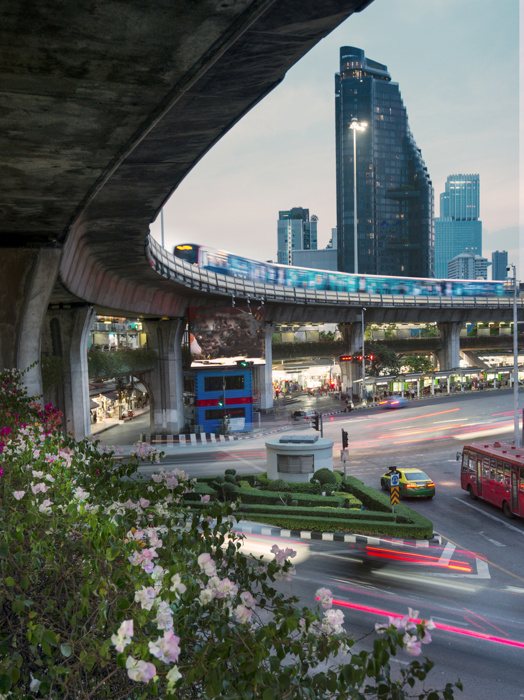
Within cities, transportation varies widely. Bangkok’s BTS Skytrain and MRT subway systems are efficient ways to avoid traffic, while taxis, tuk-tuks, and ride-hailing apps are common throughout the country. In smaller towns and islands, scooters and songthaews (shared pickup trucks) often serve as the primary modes of local transport.
Conclusion
Thailand’s popularity as a travel destination comes from the remarkable diversity it offers within a single country. Visitors can explore ancient temples, relax on tropical beaches, trek through jungle landscapes, and experience one of the world’s most celebrated food cultures all in one trip.
Understanding the essentials—such as seasonal weather patterns, travel costs, cultural etiquette, safety considerations, and transportation options—helps travelers avoid surprises and enjoy a smoother journey. With a little preparation, navigating Thailand becomes straightforward even for first-time visitors.